


Stellite Hardfaced and Casted Valve Seats for Control Valve
The most common material used for hardfacing is Stellite, a trade mark of Kennametal. It is a cobalt-based alloy, and the Grade 6 is the most common of all hard-facing materials used in the control valve industry. It has one of the best combinations of corrosion, abrasion and impact resistance.
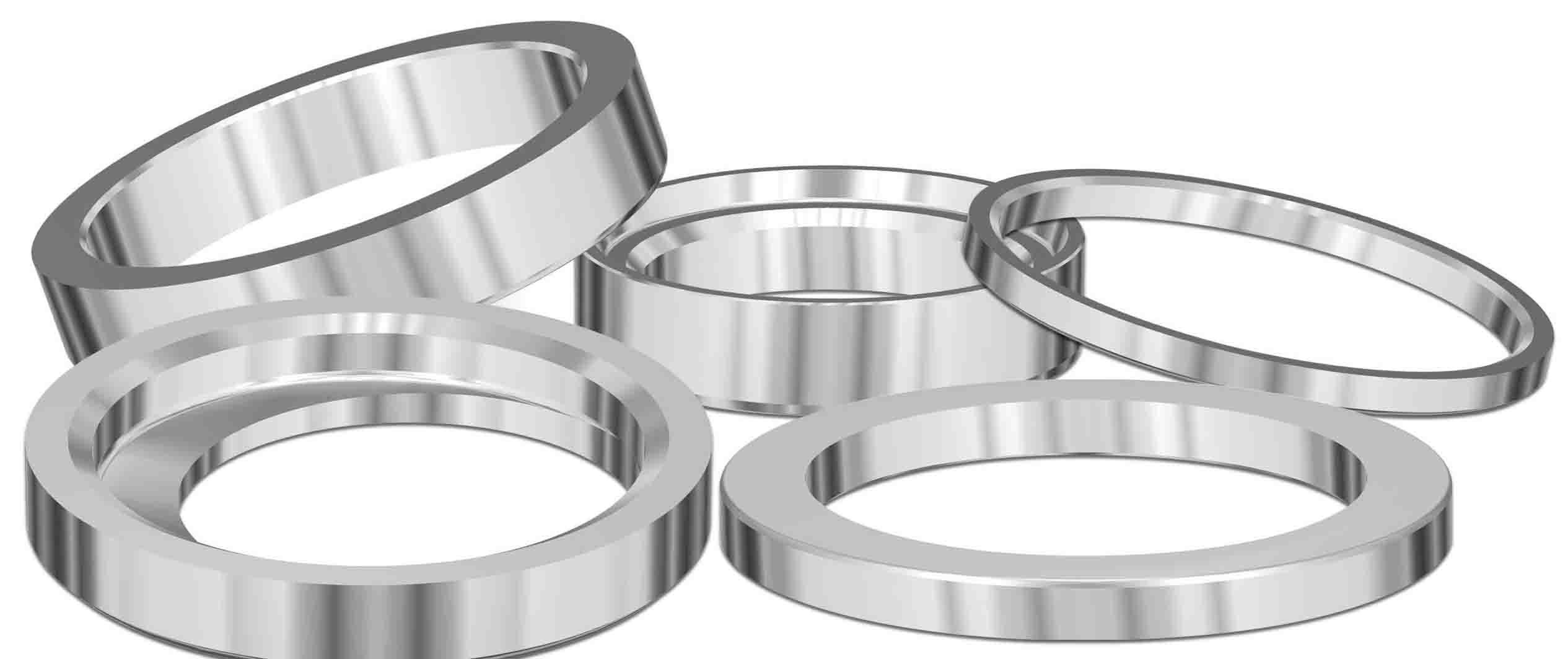
There are generally four primary reasons to use a Stellited valve seat:
1) Fluid stream solids
2) Gallable materials
3) Process fluid
4) Excessive pressure
Fluid stream solids are an easy one, particulate matter in the fluid stream can damage valve seat surfaces, but they also damage body surfaces. Both should be a concern even though the valve seat would be primary.
Gallable materials like 316 stainless steel can gall under high seat loads, Stelliting one or both surfaces can make this go away or at least reduce it significantly.
Fluid stream material is a significant issue. It was suggest that the process fluid has little impact, but it’s not true. All other things being equal, a valve controlling nitrogen has a significantly better chance of survival that one controlling 300 deg F water. Some materials are just naturally more abrasive.
Excessive pressure drops can create several different forms of cavitation type damage. This is a very real issue and in some cases if the pressure drop is high enough using an abrasive fluid, Stellite will not survive either.
After all of these issues are considered and with full application data, we can typically make a decent decision on the valve seat material.
Besides Stellite hardfaced valve seats we also make Stellite casted valve seats. This way can maximize the service life time.


